


Every Child Can Learn: Omoana strengthens school inclusion in Uganda
From 1 December 2025 onward, Omoana is supporting the expansion of the “Every Child Can Learn” project led by Backup Uganda in Northern Uganda.
This program aims to build a truly inclusive school environment for children with learning difficulties or disabilities — an issue that remains insufficiently recognized in Uganda. In Ugandan public schools, the challenges are many: overcrowded classrooms, a lack of materials, and low household incomes. When a child experiences a learning difficulty — dyslexia, dyscalculia, autism, or attention deficit and/or hyperactivity disorder (ADHD) — these barriers become even heavier to bear. Without understanding from adults, many children develop feelings of rejection, lose confidence, and gradually drop out of school, jeopardizing their future.
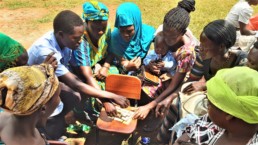
To address this situation, the project invests in strengthening the capacities of education teams. Six hundred teachers and school administrators will be trained to detect learning difficulties early and adapt their teaching practices. In-person workshops, classroom coaching, and hybrid learning modules also make it possible to reach rural schools, while providing teams with practical tools to support every child according to their specific needs.
Collaboration with parents and caregivers is another essential pillar. Many are unaware of the existence of learning difficulties or interpret them through local beliefs. Community meetings and episodes of the “Every Child Can Learn” podcast, available in several languages, help improve family understanding and engagement. Digital tools make information more accessible, but in-person exchanges remain indispensable to build trust and answer questions.
Finally, the introduction of inclusion clubs will enable students to become active contributors to a caring and supportive school environment. These clubs create spaces where each student can express themselves, share experiences, and encourage their peers — helping transform school culture from within.
Through this project, Omoana contributes to building schools where every child can learn, thrive, and find their place — whatever their differences may be.

Therapy for Women and Girls Survivors of Sexual Violence in Northern Uganda
During the war with the Lord’s Resistance Army (LRA), sexual violence against women and girls was widespread. It was used as a means of terror, but also to force them to conceive children who were intended to become future fighters. vivo documents and tracks these acts of violence, both during the war and within post-conflict society.
The majority of vivo’s clients (60 to 70% of formerly abducted girls and women) experienced sexual violence, some as early as six years old, with an average age of 15 at the time of the first assault. Many were repeatedly raped by rebels, often as part of their forced assignment as “wives.” Women also suffered other forms of gender-based violence at the hands of the LRA, including beatings or executions for cooking during menstruation or for wearing trousers.
Beyond the psychological trauma, these survivors still face long-lasting consequences today: 30% of the women and girls who were raped became pregnant in captivity, many of them giving birth without any medical assistance. In today’s post-conflict society, they suffer from stigma, struggle to explain to their children the violent circumstances of their conception, and are often denied rights to paternal land—both for themselves and their children. Many also live with chronic health issues (such as HIV), financial insecurity, and must take on the role of mother alone or live with partners who reject their stepchildren.
Sexual violence against women remains a pressing issue in northern Uganda’s post-war society, with survivors continuing to face stigma and social exclusion. vivo has established a broad network of actors providing various forms of support for survivors of gender-based violence, including legal, medical, and social assistance. Within this network, vivo is responsible for trauma-focused therapy for survivors, as well as general psychological support, family mediation, and emergency planning for women in high-risk relationships. vivo also offers anger management training for violent partners who are willing to change. Additionally, vivo trains public and private partner organizations on the psychological impact of sexual violence, helping them better support survivors.
Anett Pfeiffer
vivo Uganda
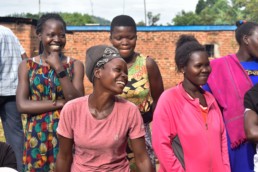
Self-confidence by youth at Omoana House/St. Francis HCS
The youth supported by Omoana House /St.Francis HCS tell us about their vision of self-confidence and the importance of the group in cultivating it.
Find out more about their vision in the video.
For further information: see the project.
This video was produced with the support of the Fédération Genevoise de Coopération, the Canton of Geneva and the City of Geneva.

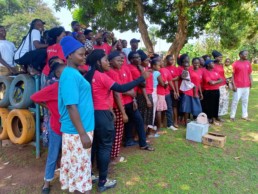
Discover the economic development project for young people in St. Moses on video!
Young people in the Jinja region of Uganda are getting together in savings groups to help them meet their needs. A project run by St.Moses Children’s Care Centre and Community Development.
Find out more about their work on video.
For further information : see the project.
This video was produced with the support of the Fédération Genevoise de Coopération, the City of Geneva and the Canton of Geneva.
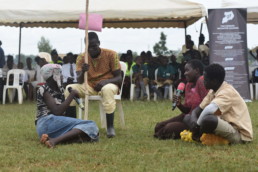
Discover forum theatre by young people living on the streets with Hashtag Gulu
To prevent violence against them, children and young people living/working on the streets use forum theatre as a tool for dialogue with their community.
Hashtag Gulu works with this population in Uganda to combat the stigmatisation they face and promote their reintegration into their families.
Find out more about their work on video.
For more information : Hashtag Gulu.
This video was produced with the support of the Fédération Genevoise de Coopération, Ville de Genève and Canton de Genève.
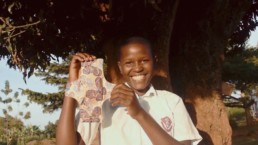
Discover the Girls' Menarche Initiative menstrual hygiene project on video!
For many girls, the arrival of their period brings not only physical changes but also social barriers.
Girls’ Menarche Initiative is working in Uganda to end menstrual poverty and combat the stigma surrounding menstrual hygiene.
Find out more about their work on video.
For more information: Girls’ Menarche Initiative
This video was produced with the support of the Fédération Genevoise de Coopération, Ville de Genève, Canton de Genève.
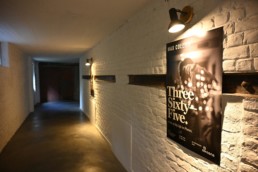
Photo exhibition at the benefit of Omoana in Brussels
On 23 May 2024, the photographer Max Collier – brother of Chloé Collier, our coordinator – organised his very first photo exhibition in partnership with and in aid of Omoana in Brussels, Belgium. It was a huge success, with around 200 people attending the event!
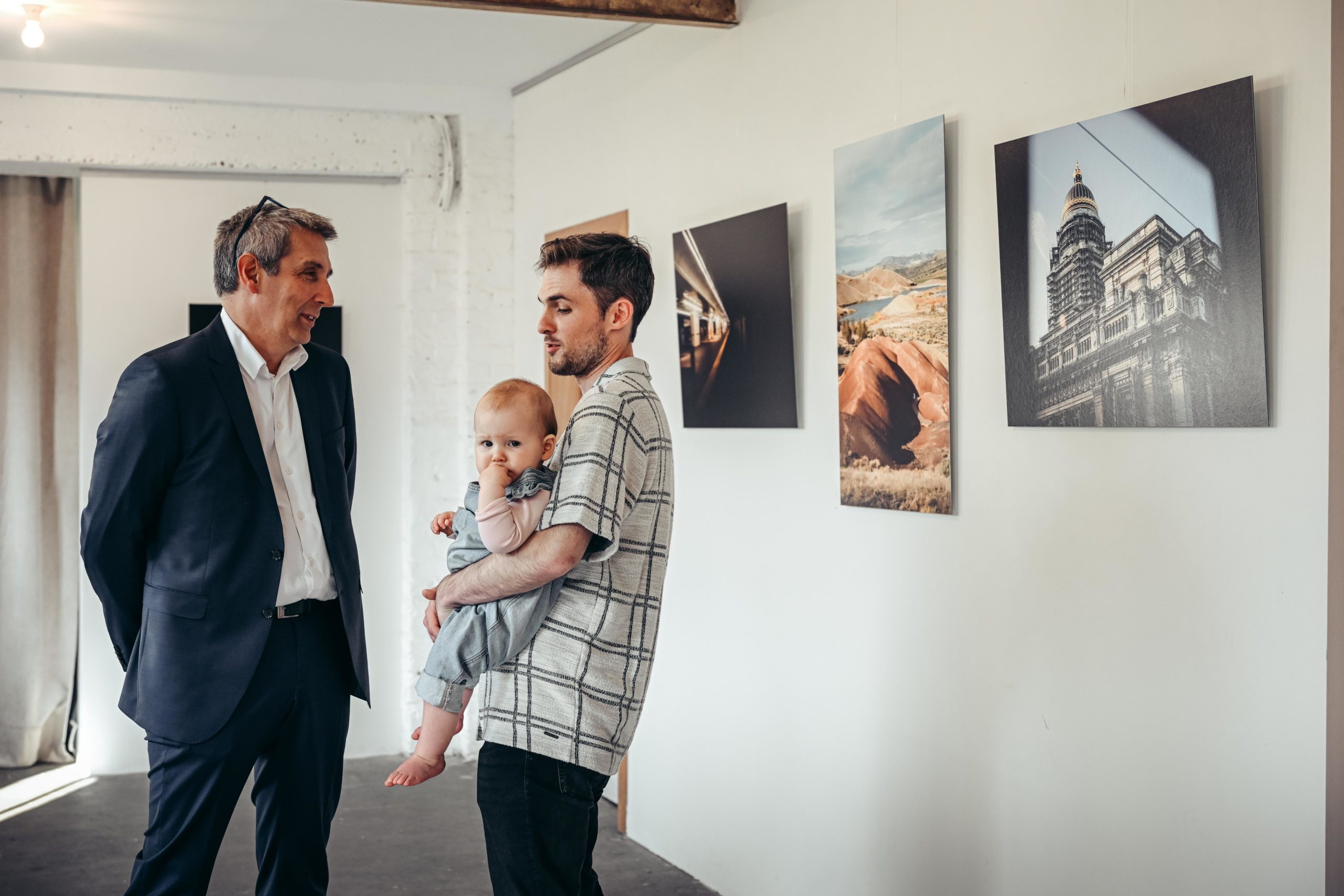
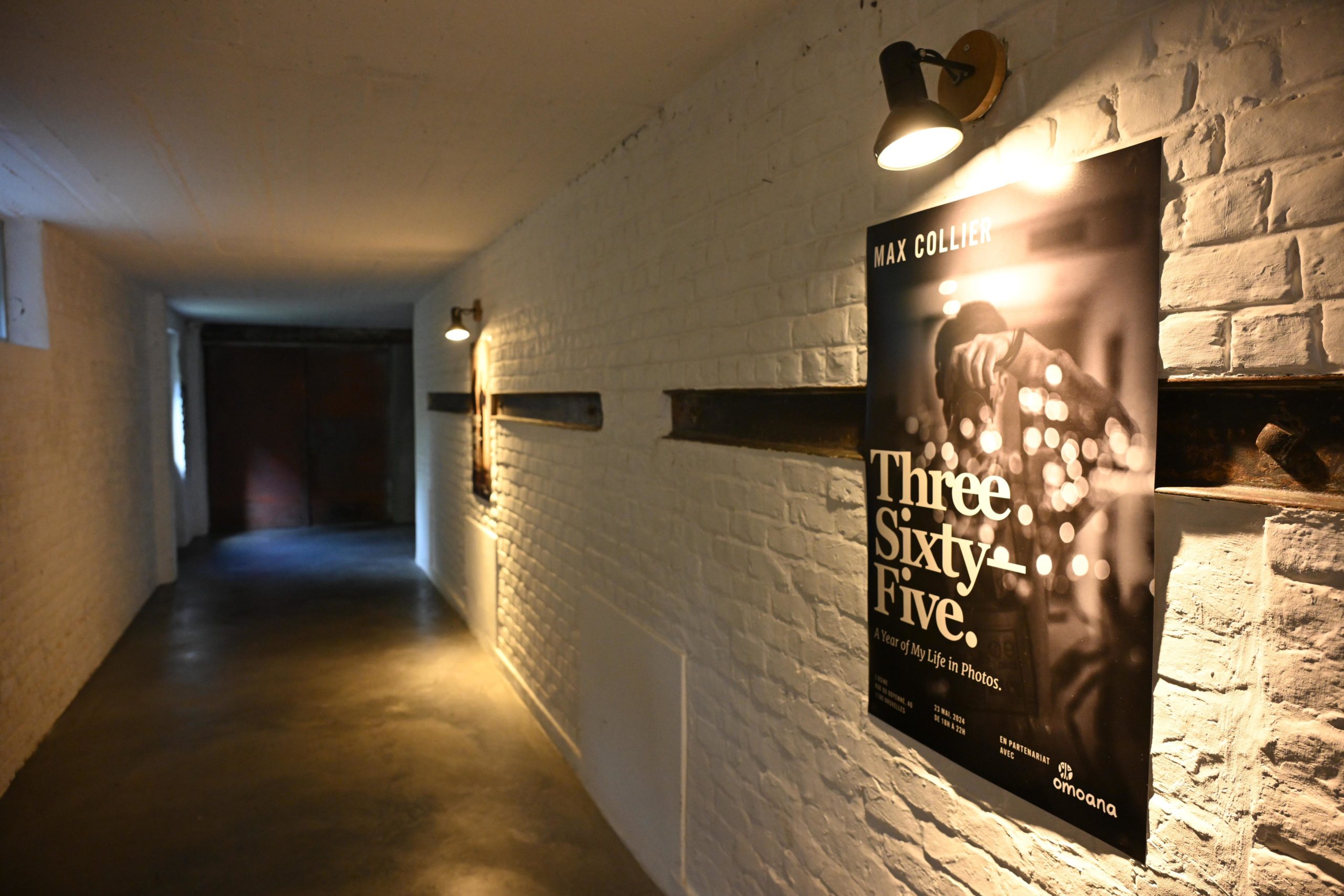
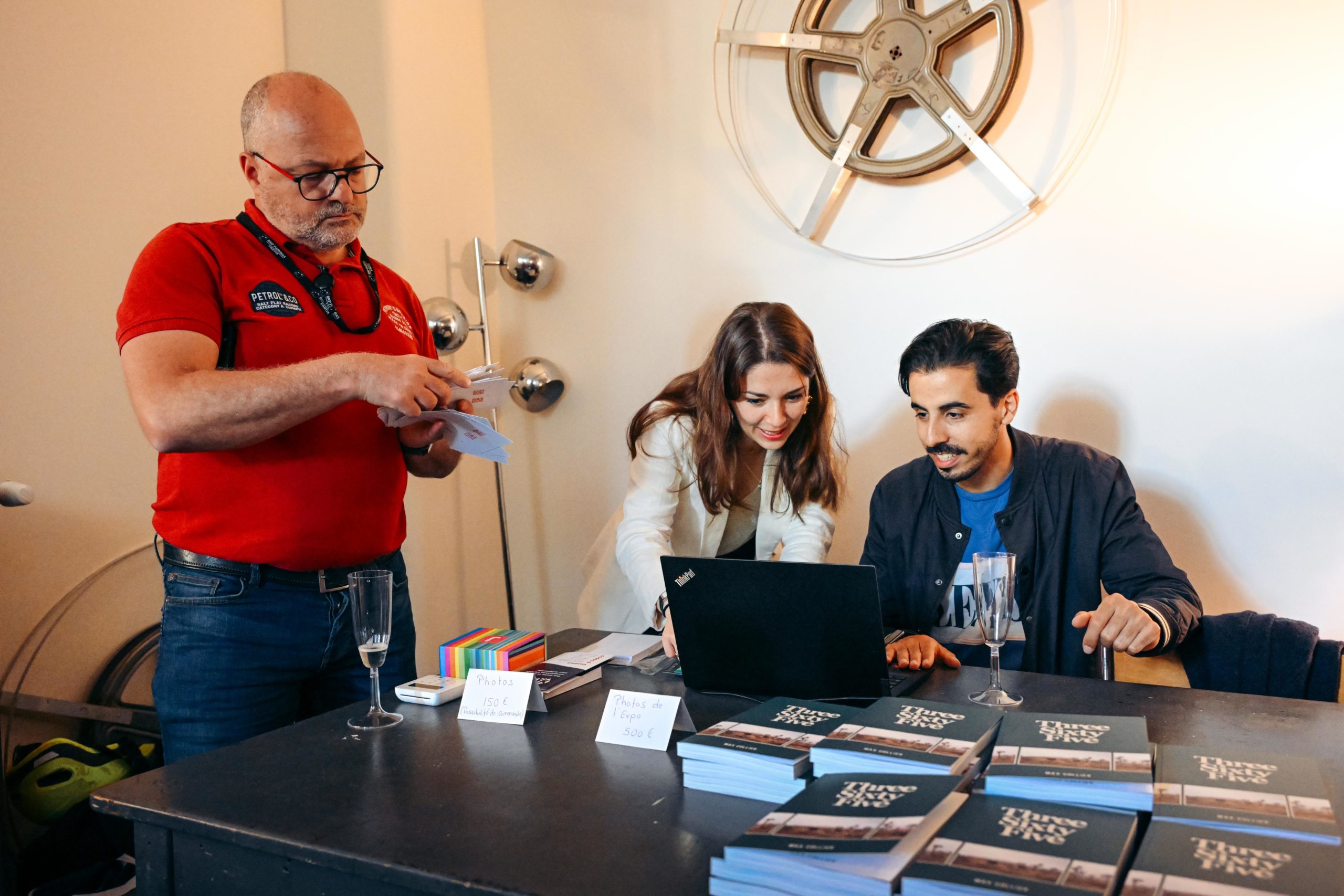
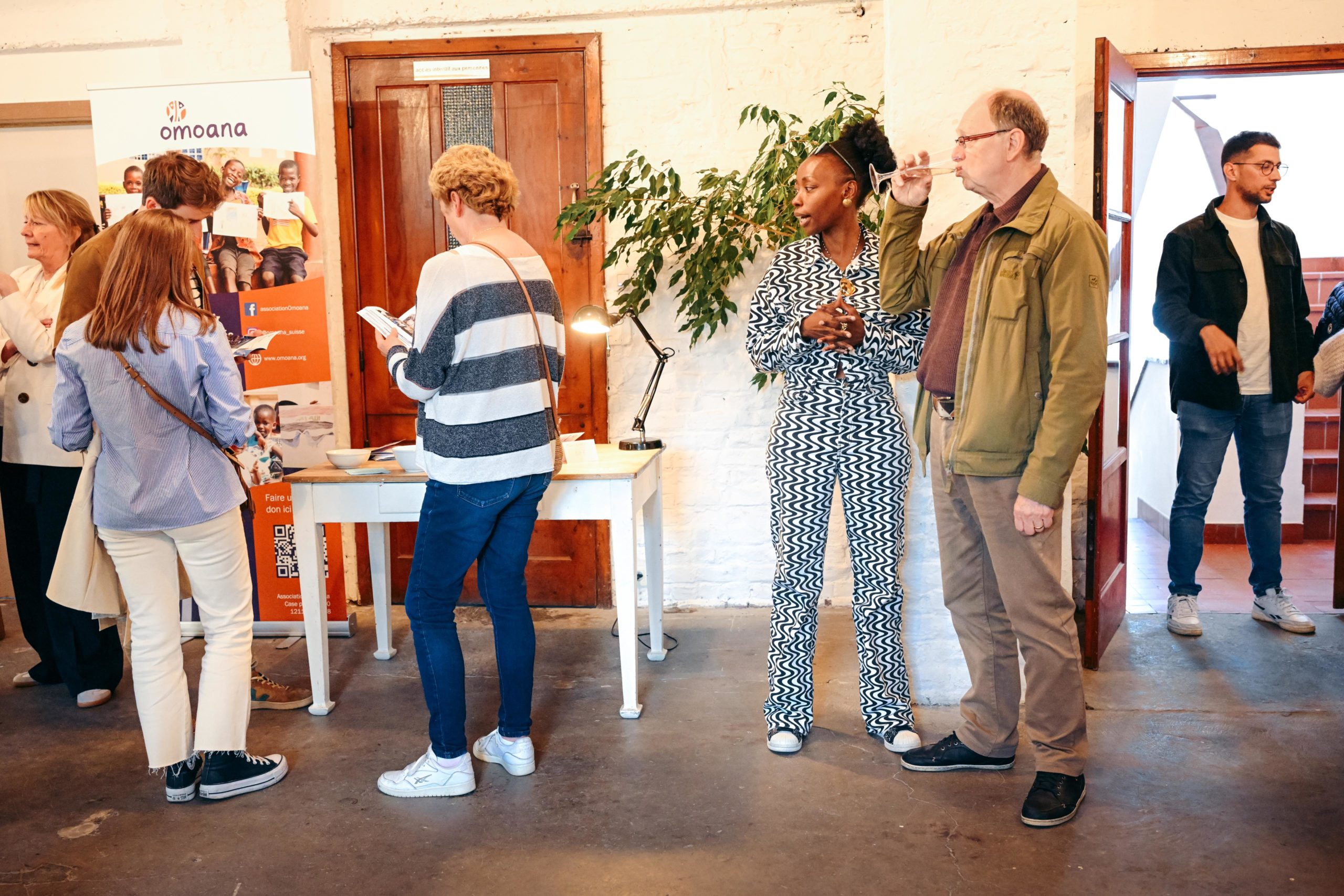
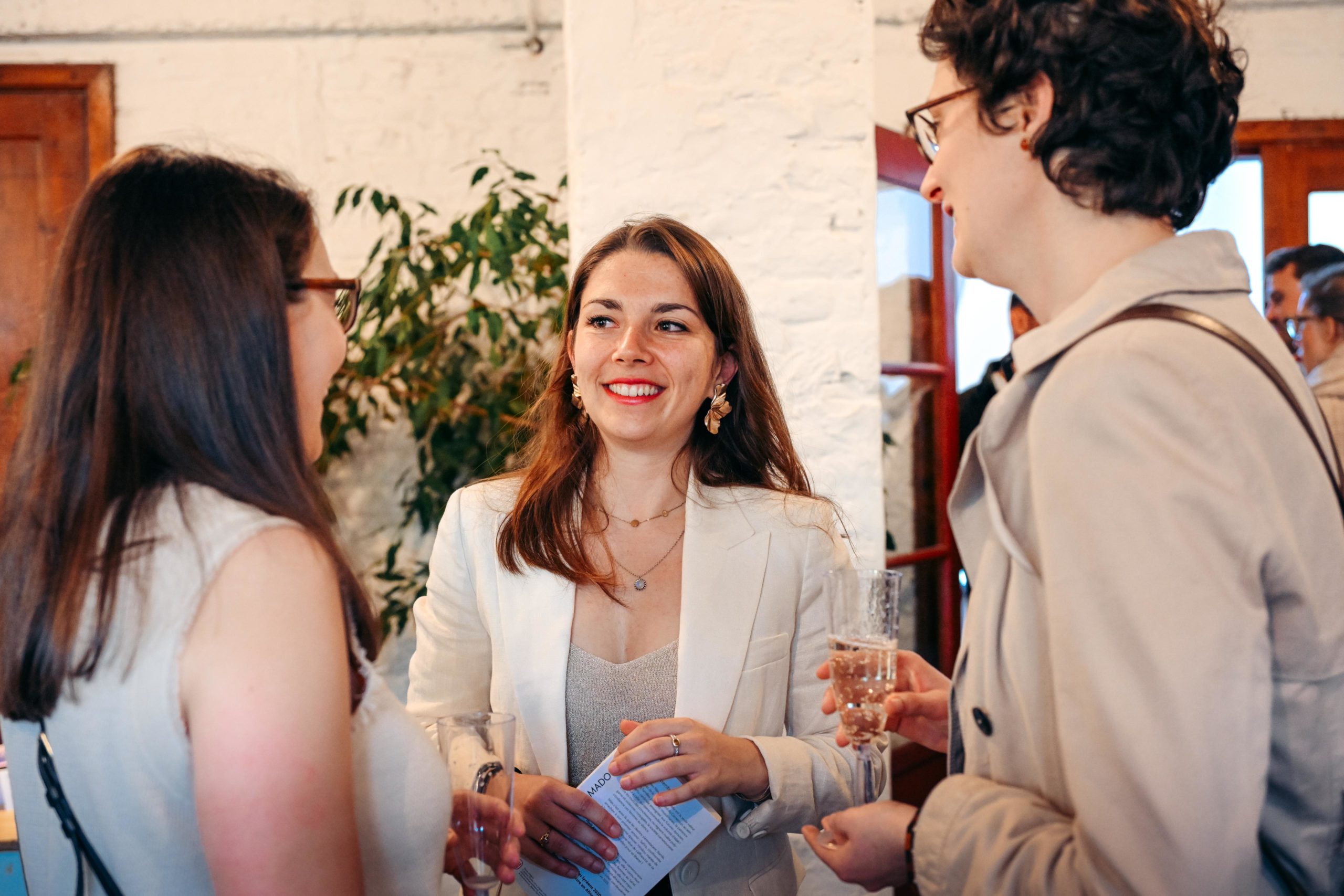
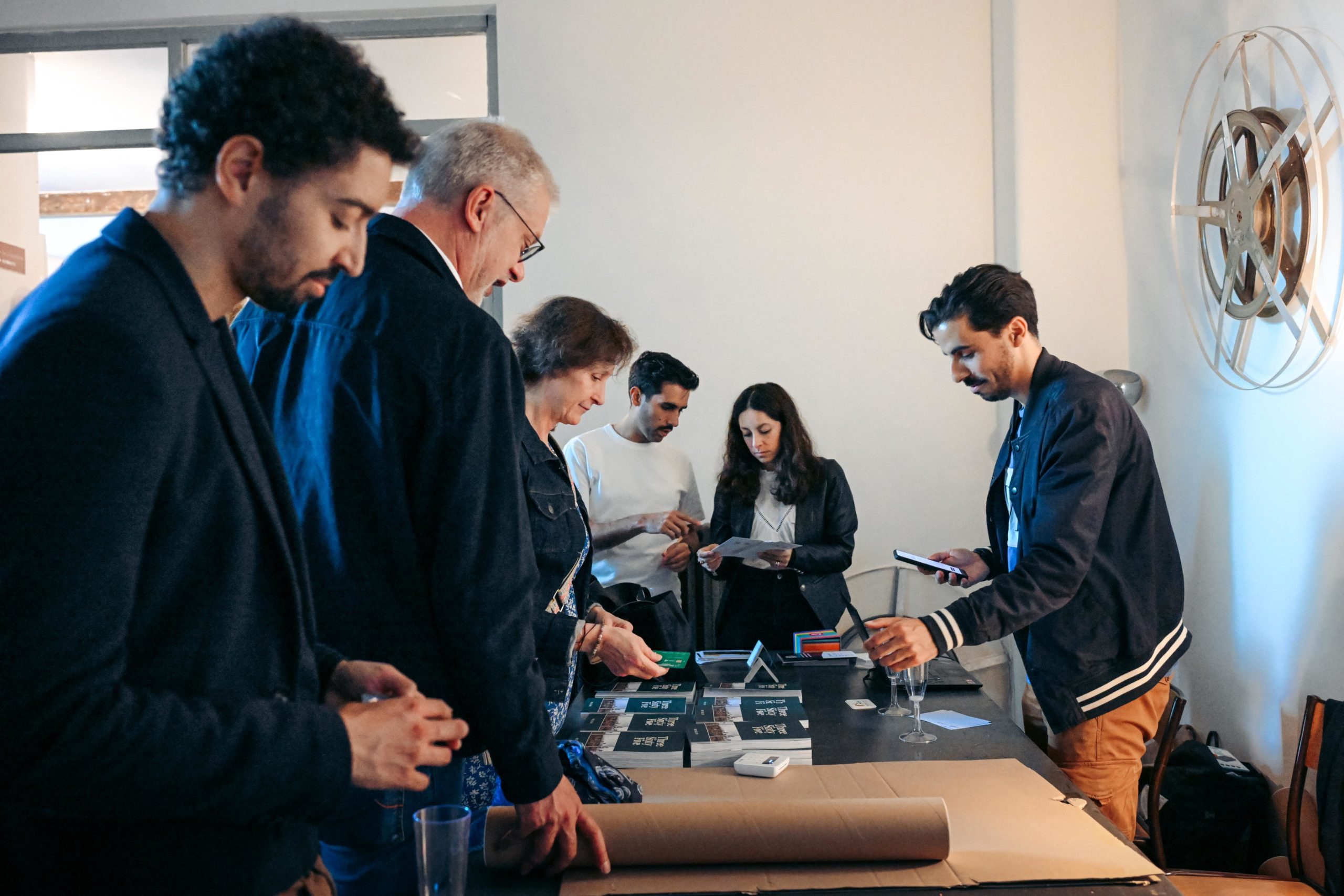
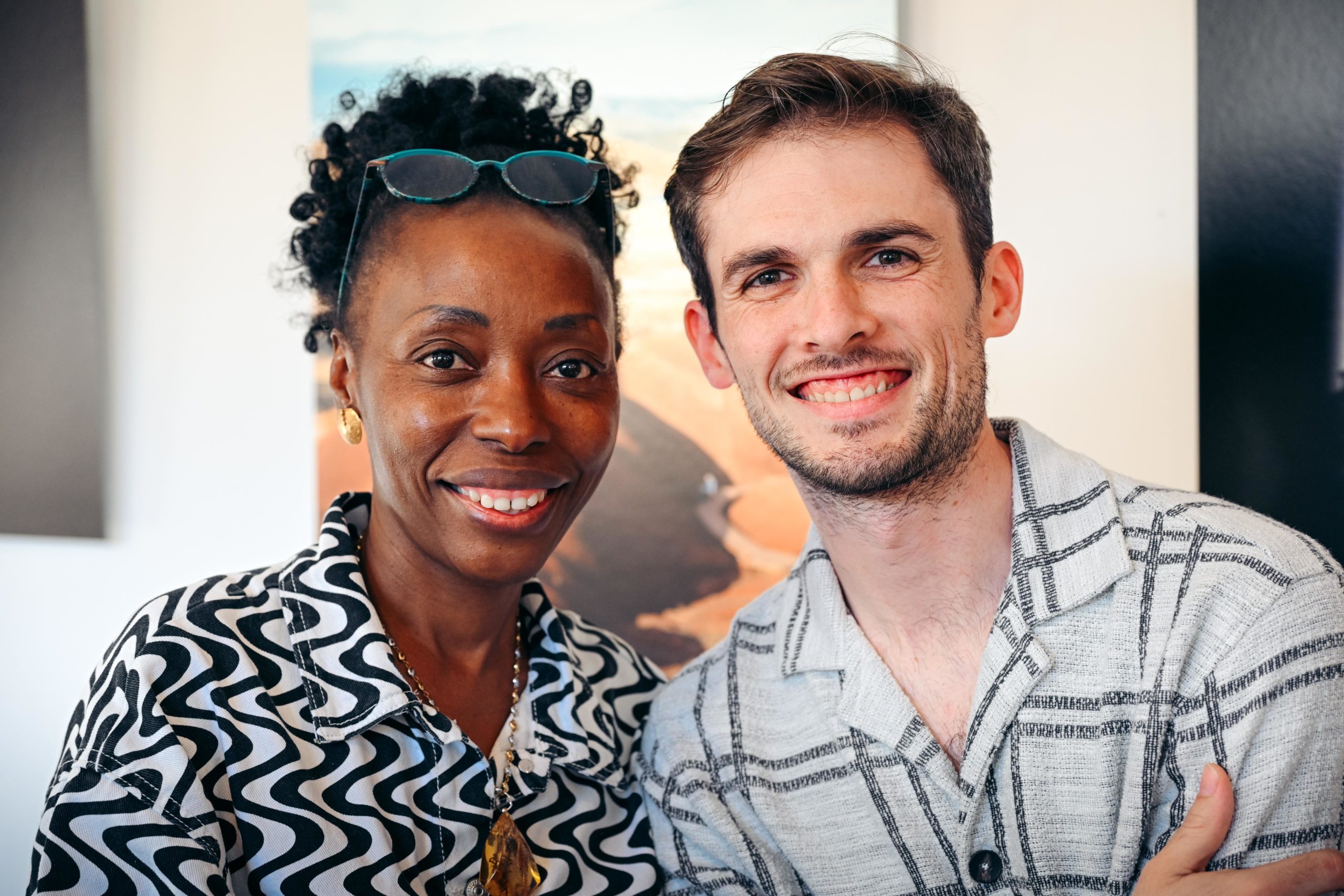
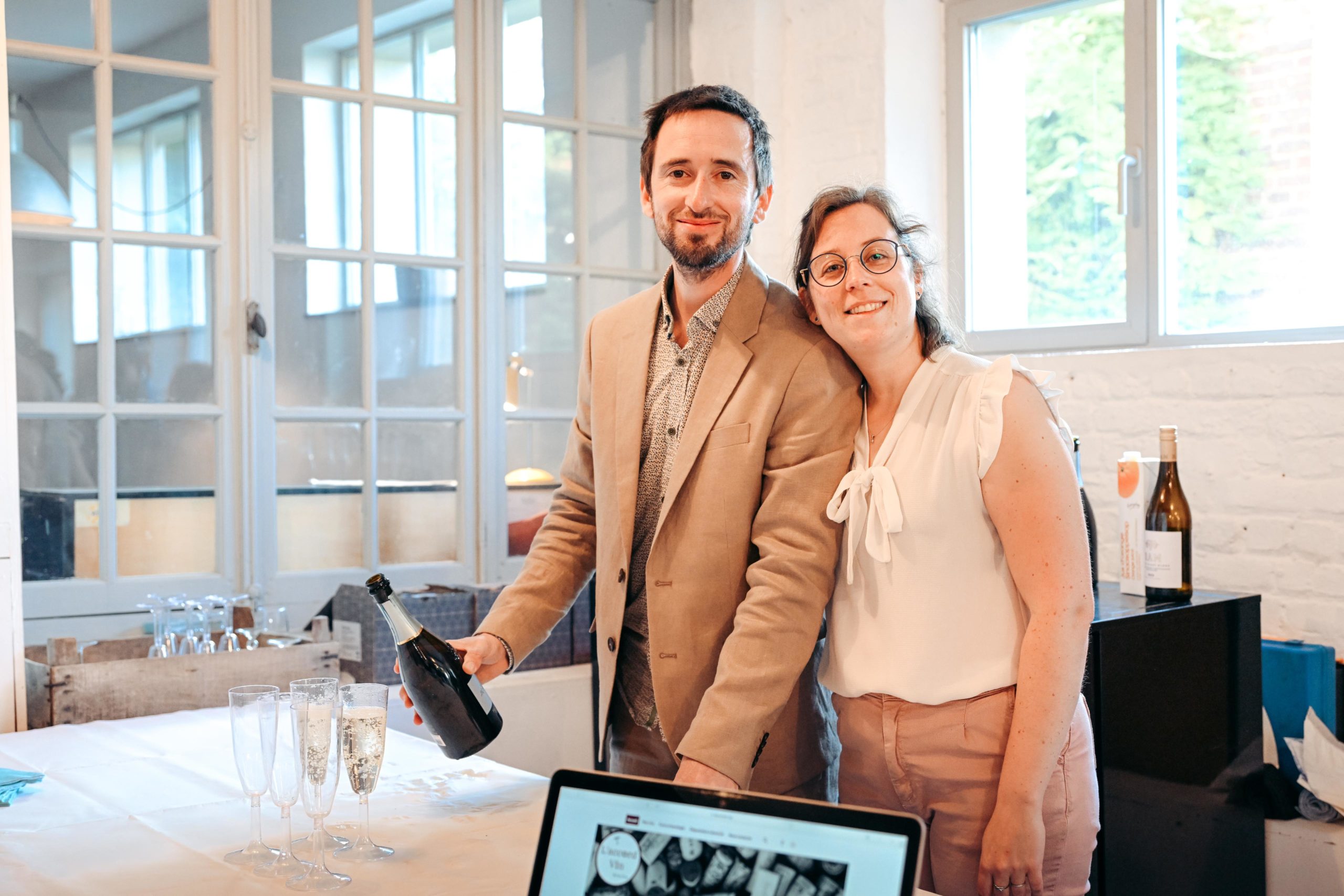
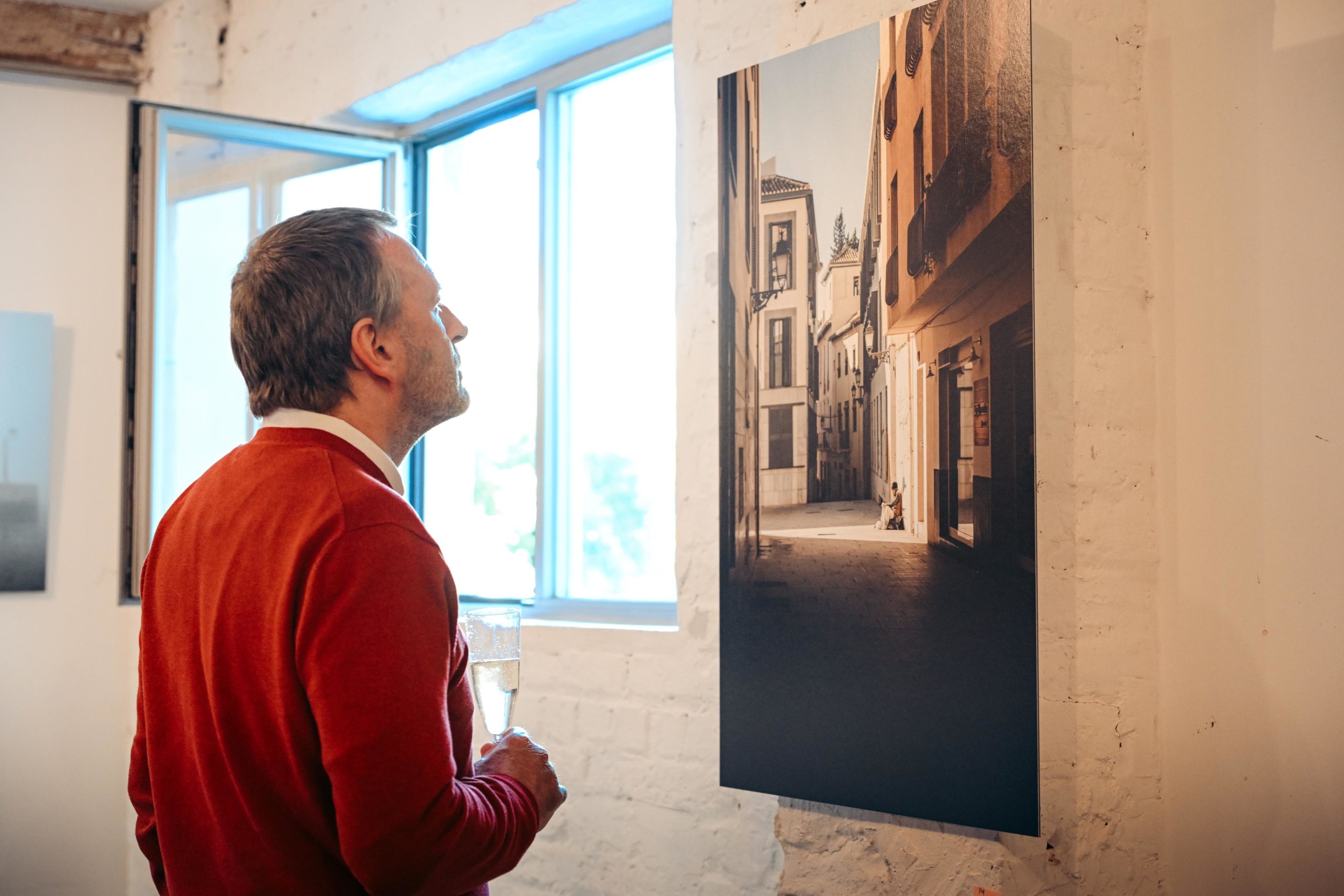
For those who missed it, here’s the reason behind the event:
“In July 2022, Max learned that his partner was pregnant. He then embarked on a crazy project: to document this year full of discoveries, learning and experience through 365 photos – 1 per day. This series of photos is a treasure trove of memories, especially for his daughter Mia, born in July 2023. But how can we make this project even more meaningful?
It was during a conversation in December 2023, when the whole family got together for the first time in Brussels, across the borders (Canada, Switzerland, Belgium), that the idea of holding an exhibition in aid of Omoana, the charity for which Chloé works, was born. And so the adventure began!
Chloé joined Omoana just over 2 years ago, with a view to working in particular with former child soldiers, a population that is particularly close to her heart. As she puts it: ‘Leaving these children aside means creating a time bomb. Reaching out to these children means giving peace a chance’. With both their parents born and raised in Africa, and Chloé having lived there, the continent has always held a special significance for Max and Chloé. As they have always been so close-knit, they wanted to hold an event that reflected them, as a family, in the place where they grew up. So it was only natural that they should join forces for this exhibition, and in their own small way help to make the world a fairer place. And in so doing, they will be teaching Mia that helping your neighbour is also helping yourself and, above all, that we are never too much to help each other up.”
A huge thank you to everyone who attended and all those who helped organise the evening, especially to L’Accord Vin, Atelier du Photographe, ZLAB et L’Usine.
L'annonce - 20 ans d'Omoana
Youth living with HIV face various challenges. One of them is to apprehend his/her partners reaction after disclosing his/her HIV status. Youth having been exposed to such situations tell us about their experience through a creative dance.
This video is part of a series adapted from our show Résilience.
Acting, dancing and clip conceptualisation : Mukungu Enock Jonathan ; Mutesi Sharon ; Kasoga Winnifred ; Nabiryo Esther; Hussein Fazil ; Nyanzi Huzairu ; Bazibu Micheal; Namirimu Teddy
With the support of : Federation Genevoise de Coopération, Ville de Genève, Etat de Genève
Filming-Editing : Reagan Giriwa
Musique : Sauti Sol- Suzanna ; Shakira- Waka Waka soundtrack
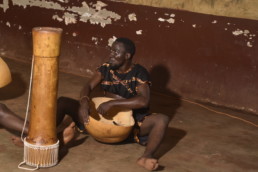
Est-ce que le VIH définira nos vies ? - 20 ans d'Omoana
When HIV first appeared in Uganda, it heralded a disaster beyond measure. A few decades later, young people whose lives have been affected by the virus tell us whether they will let it dictate their lives.
Acting, singing and conceptualisation of the video: Mukungu Enock Jonathan; Mutesi Sharon; Kasoga Winnifred; Nabiryo Esther; Hussein Fazil; Nyanzi Huzairu
With the support of : Federation Genevoise de Coopération, City of Geneva, Canton of Geneva
Capture and editing: Reagan Giriwa
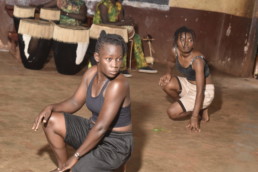
Girl power: Young women against slut-shaming in Uganda - 20 years of Omoana
Watch our video on slut-shaming in relation to STD contraction in Uganda.
This is one of a series of video clips adapted from the show Résilience developed by former beneficiaries of the “Omoana House” project to mark the organisation’s 20th anniversary.
Acting, singing and video conceptualisation: Mukungu Enock Jonathan; Mutesi Sharon; Kasoga Winnifred; Nabiryo Esther; Hussein Fazil; Nyanzi Huzairu
With the support of the Fédération Genevoise de Coopération
Capture and editing: Reagan Giriwa