


An inclusive school for children with learning disabilities in Uganda

Partner
Backup Uganda
Localisation
Gulu, Uganda
Main topic
Education
Total amount of the project
321'268 CHF
Duration
3 years
Number of beneficiaries
15'636 people
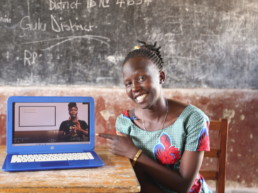
In Northern Uganda, children with learning difficulties and learning disabilities are particularly vulnerable because they are often identified and supported late — or not at all. The project aims to make a significant contribution to quality education for all children in Uganda by establishing a sustainable and inclusive support system for primary school learners. This will be achieved by strengthening the capacities of teachers, school administrators, parents and caregivers, as well as the children themselves, to provide inclusive learning and social environments in 30 primary schools in Kitgum, Omoro, and Nwoya.
The project is grounded in four main approaches:
-
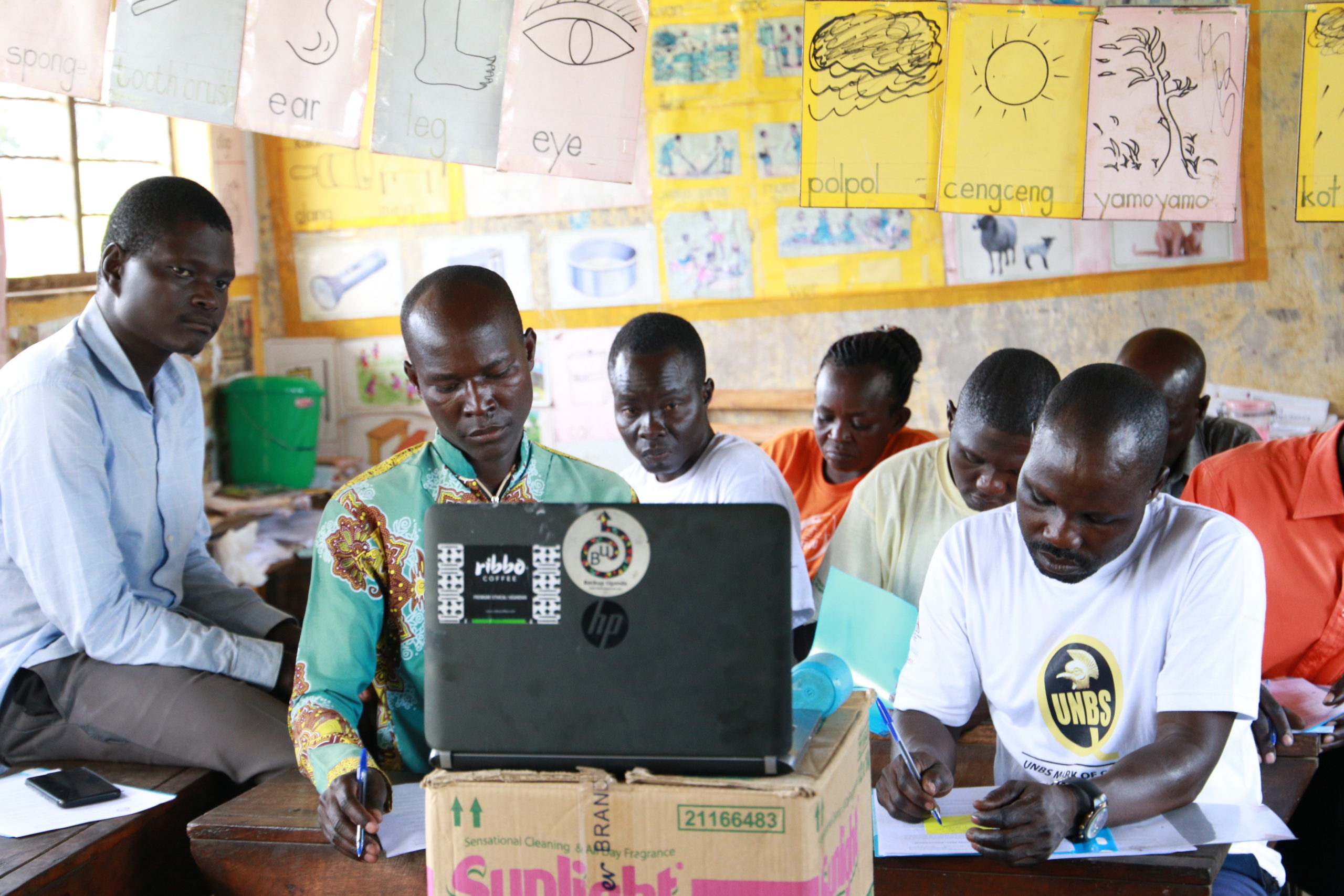
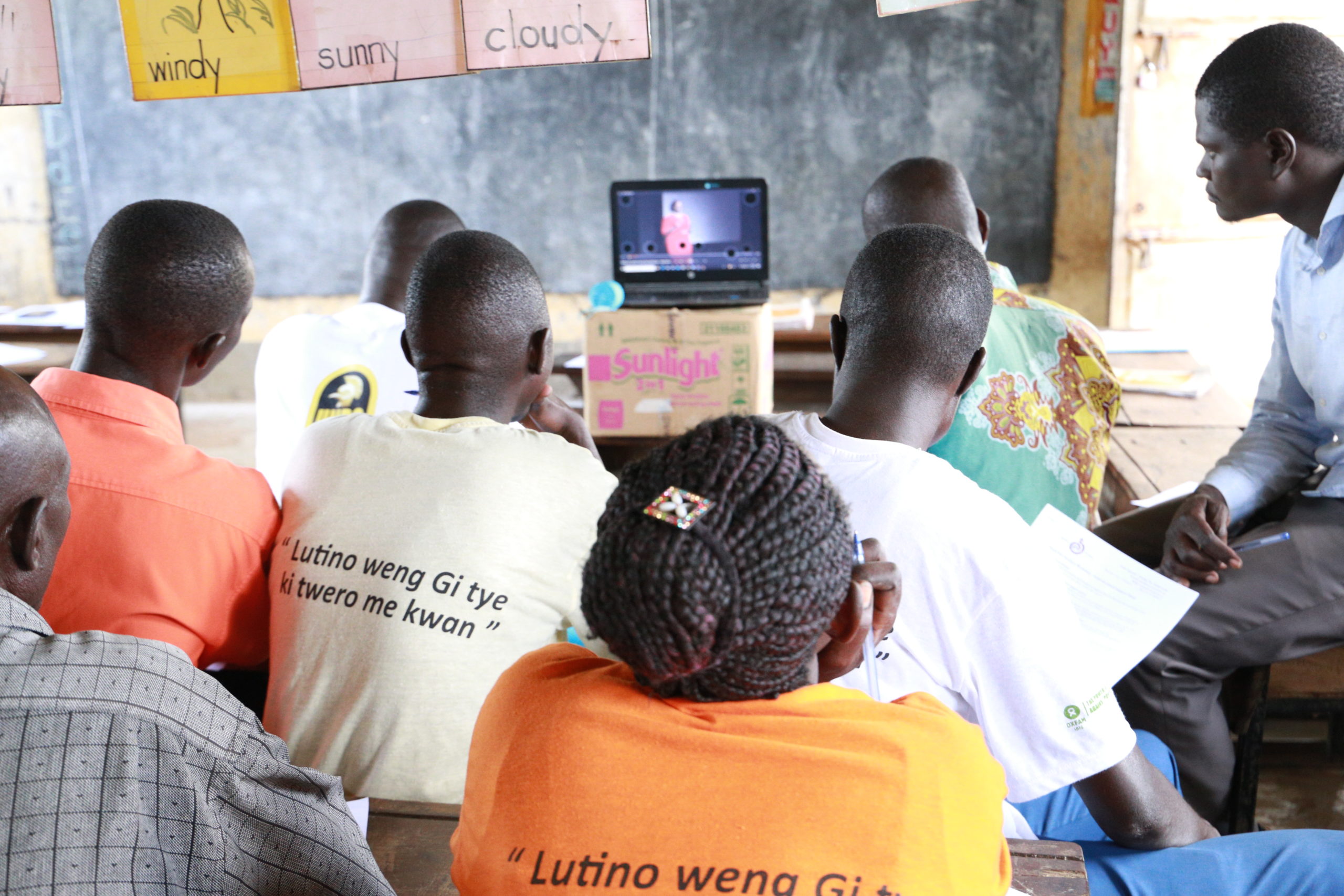
Training teachers and school administrators to independently deliver inclusive education to children with learning difficulties and learning disabilities, using a combination of in-person interactions and distance learning.
-
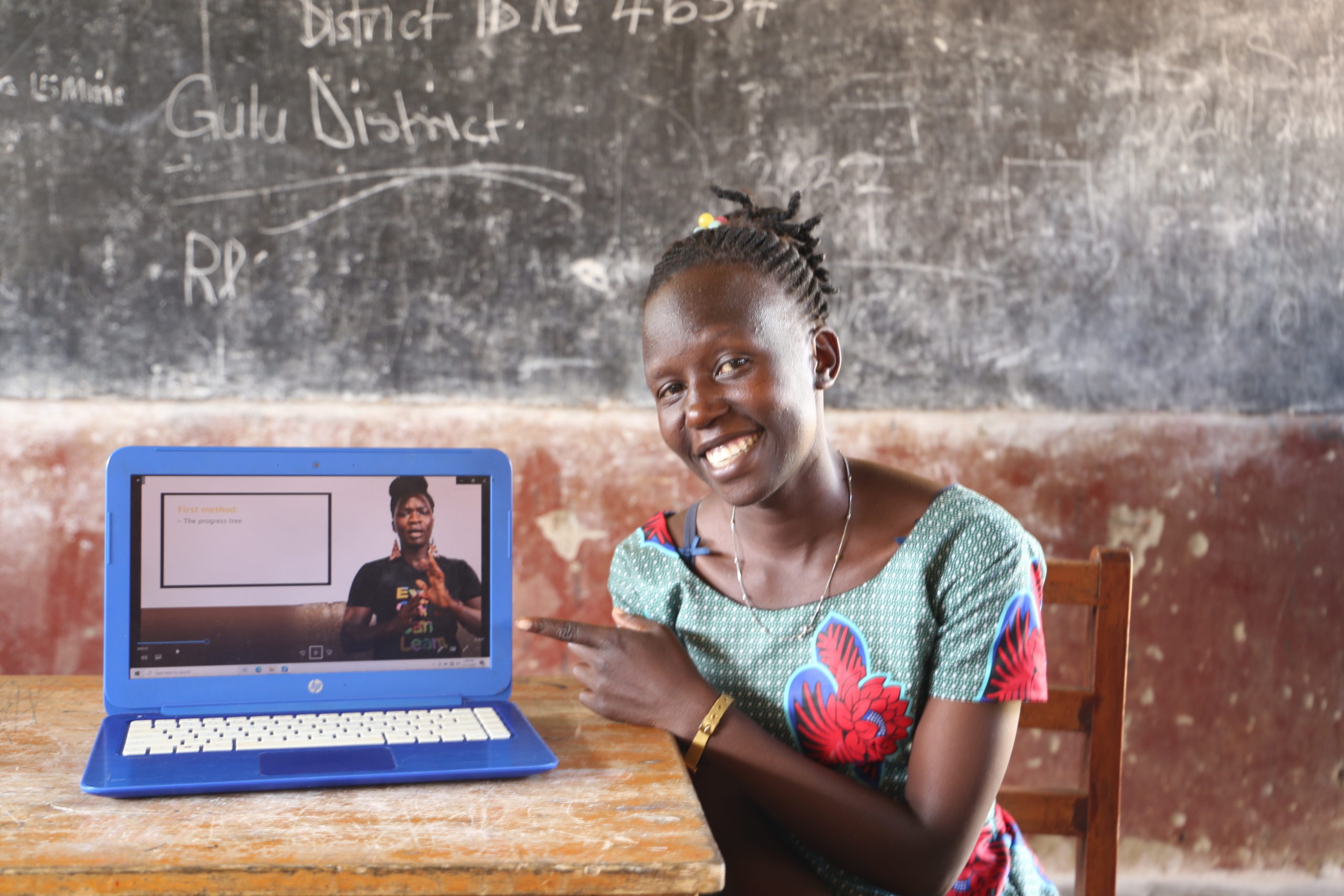
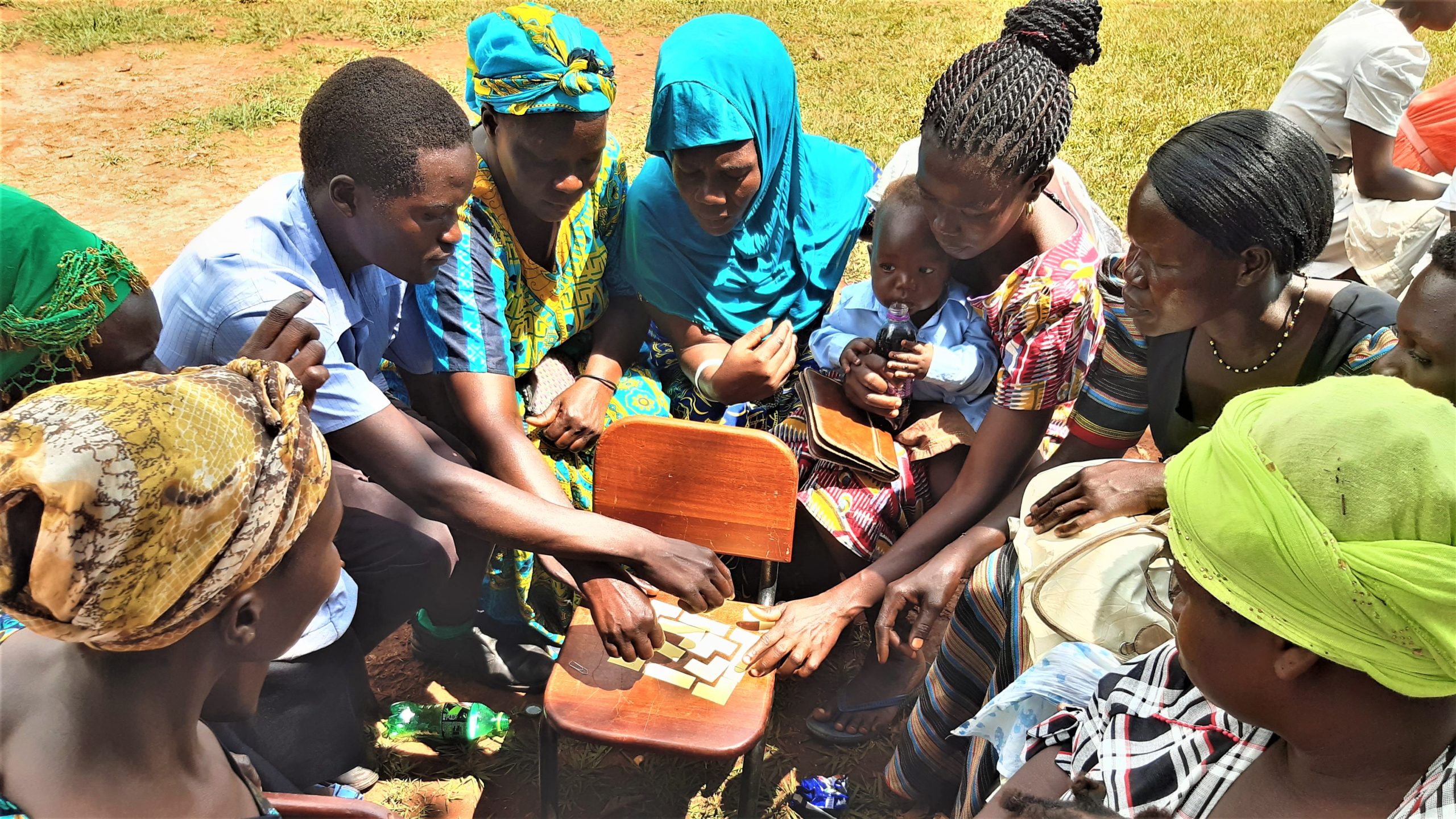
Training parents and caregivers to support their children’s inclusive learning through in-person sessions and free, continuous access to episodes of the Every Child Can Learn podcast.
-
Training education and health officials to make effective referrals for diagnostic and specialized services through workshops and advisory visits.
-
Raising students’ awareness of inclusive education and of learning difficulties and disabilities through a peer-support mechanism. Inclusive learning greatly benefits from students’ deep understanding and active promotion of inclusion among their peers.
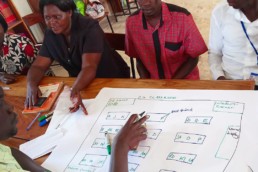
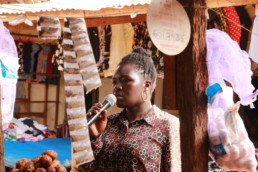
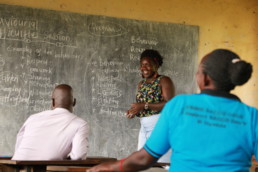
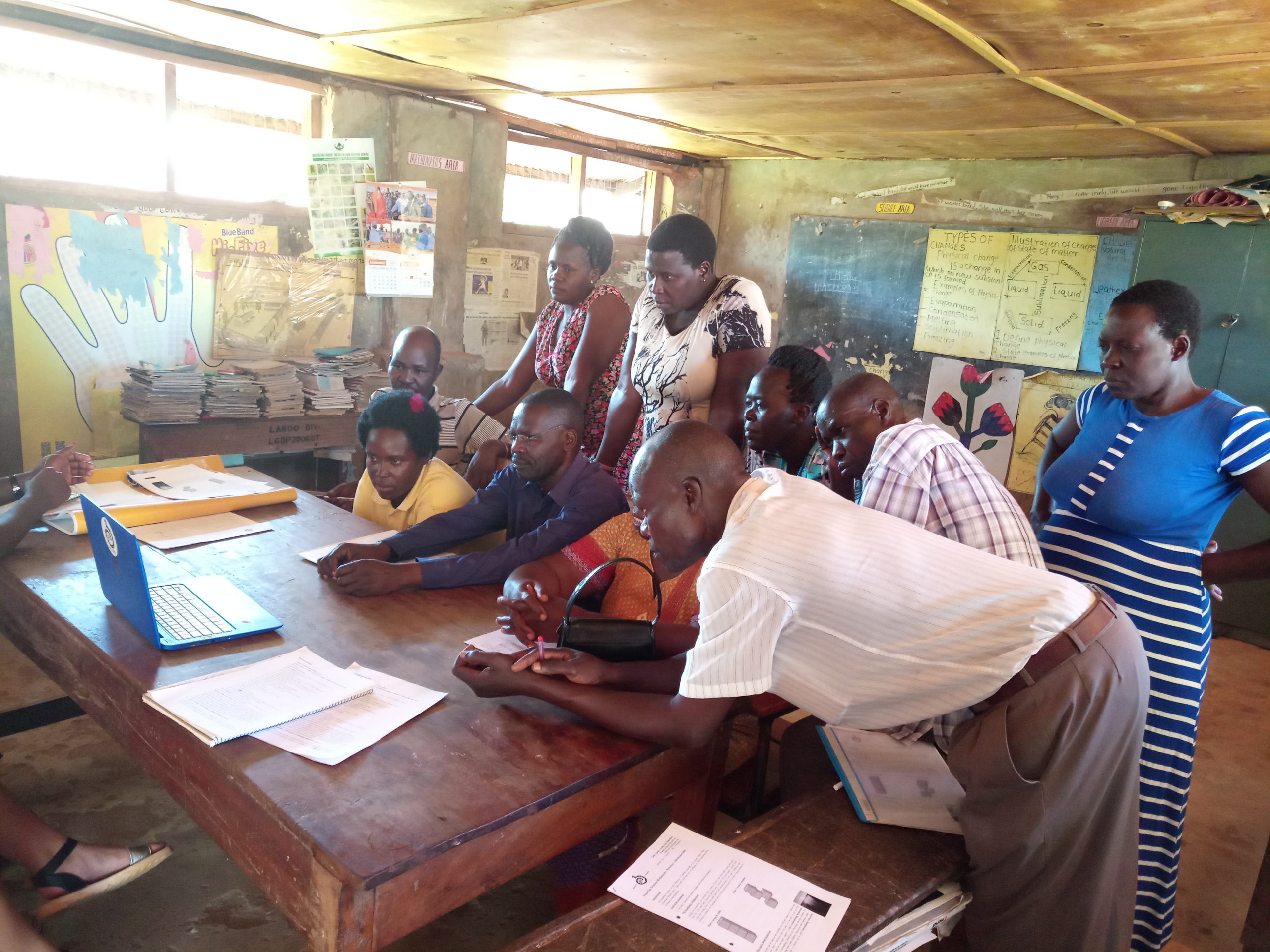
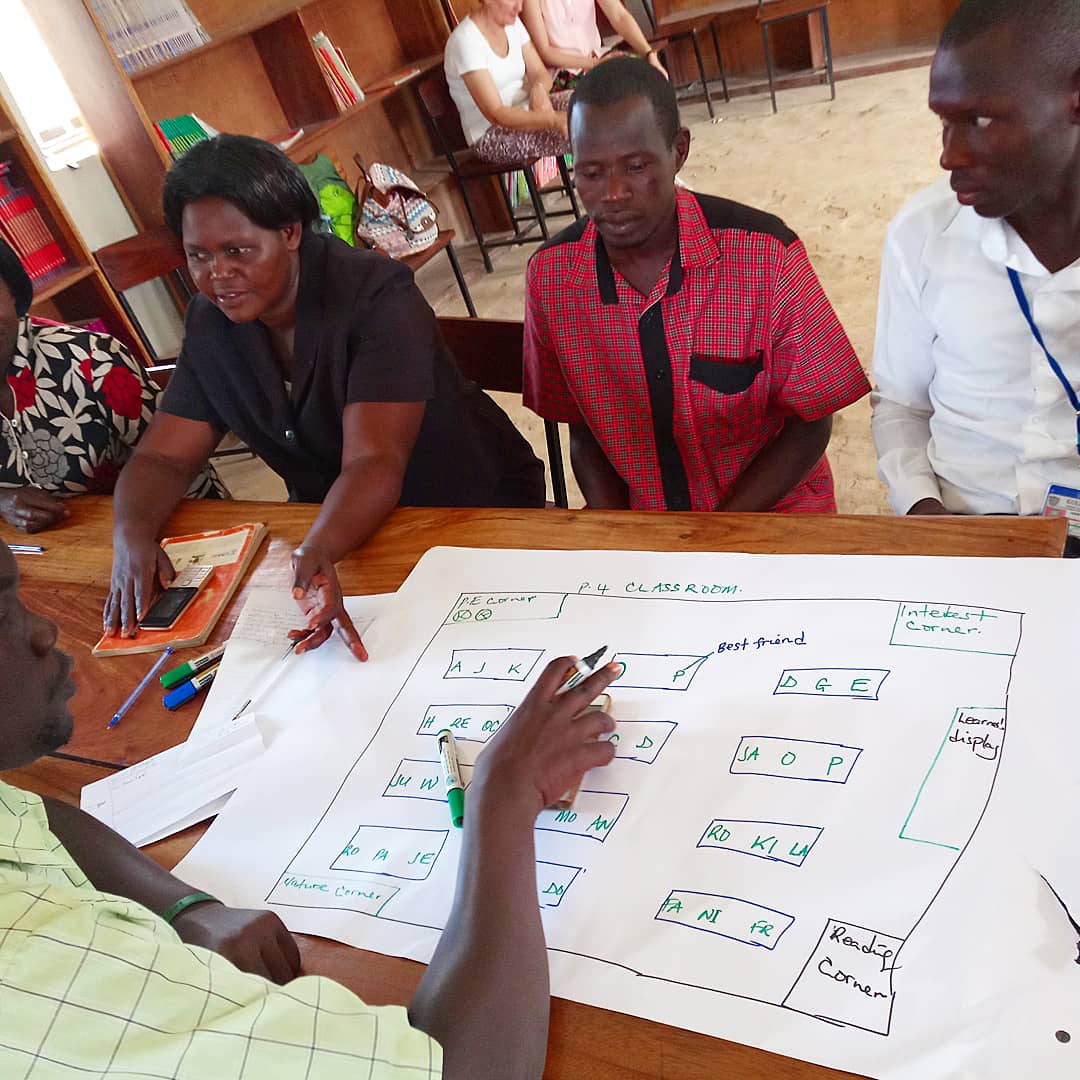
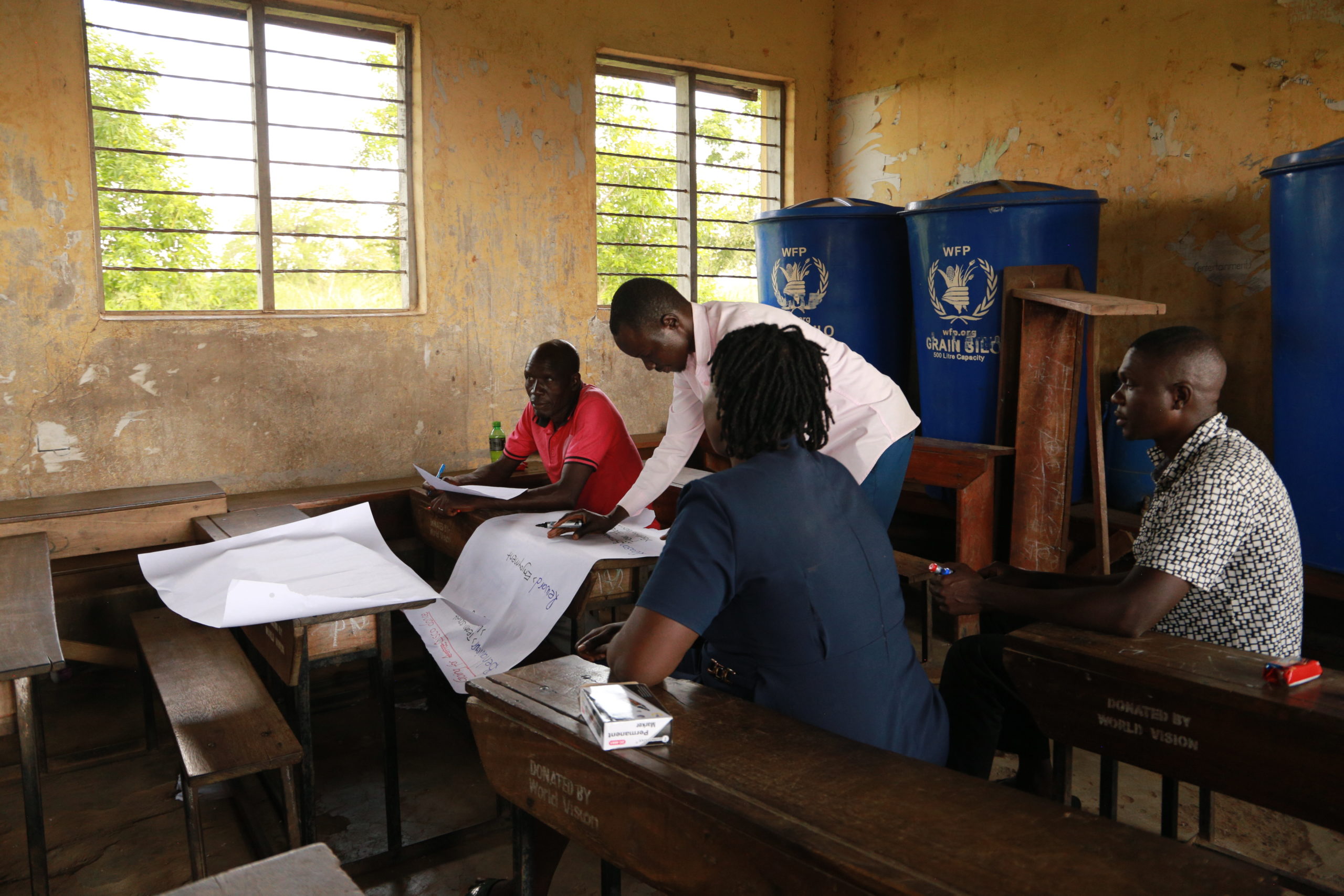
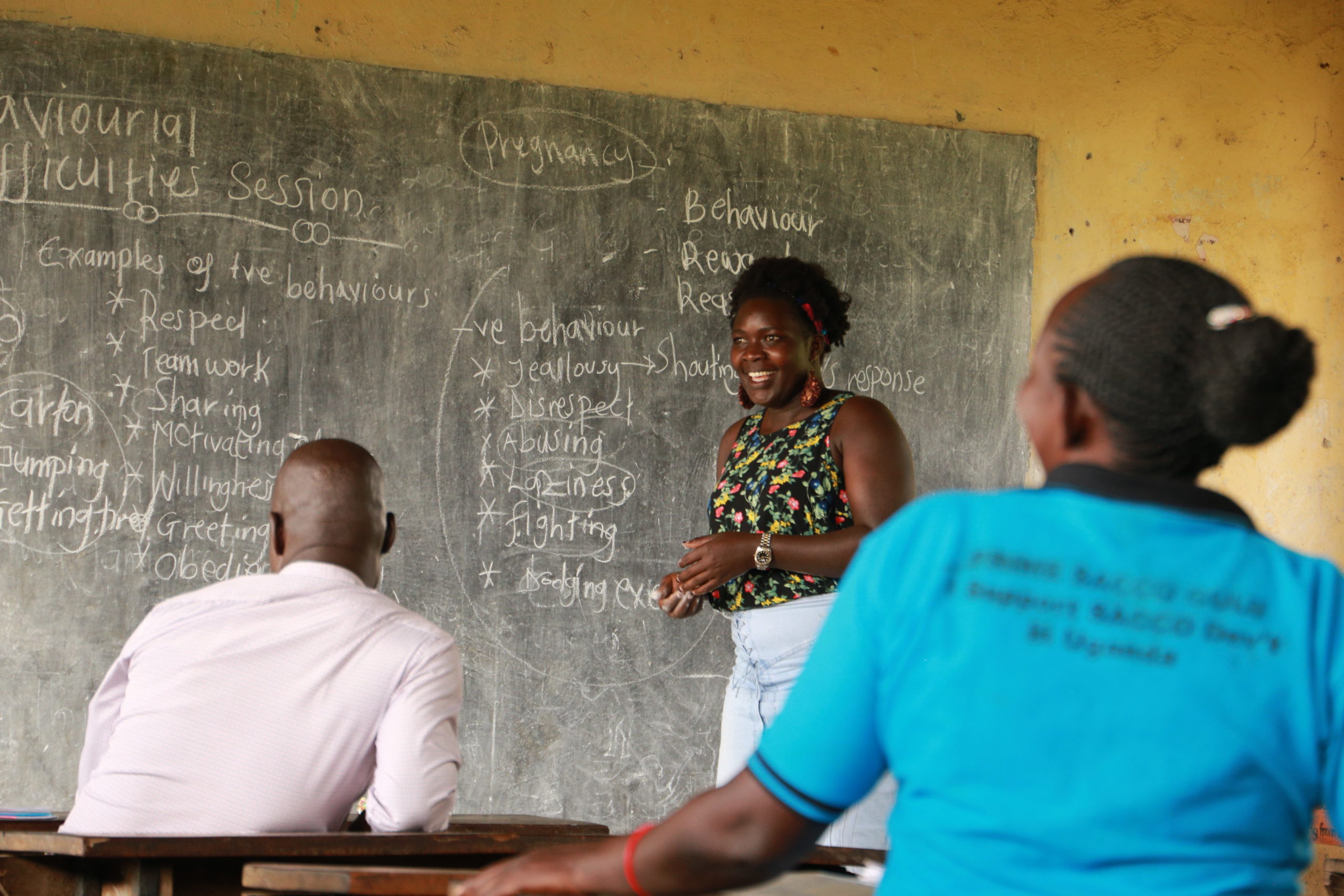
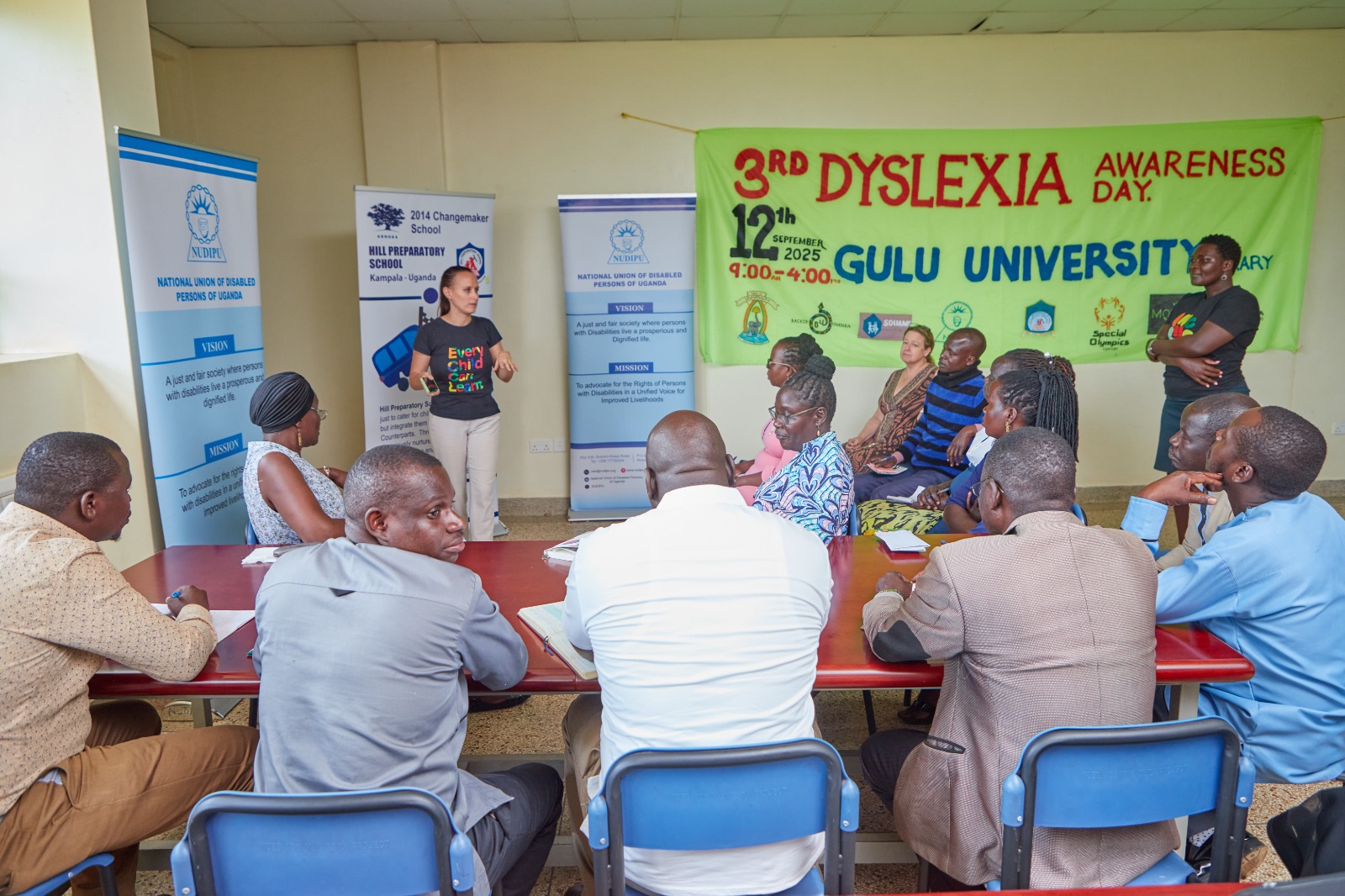
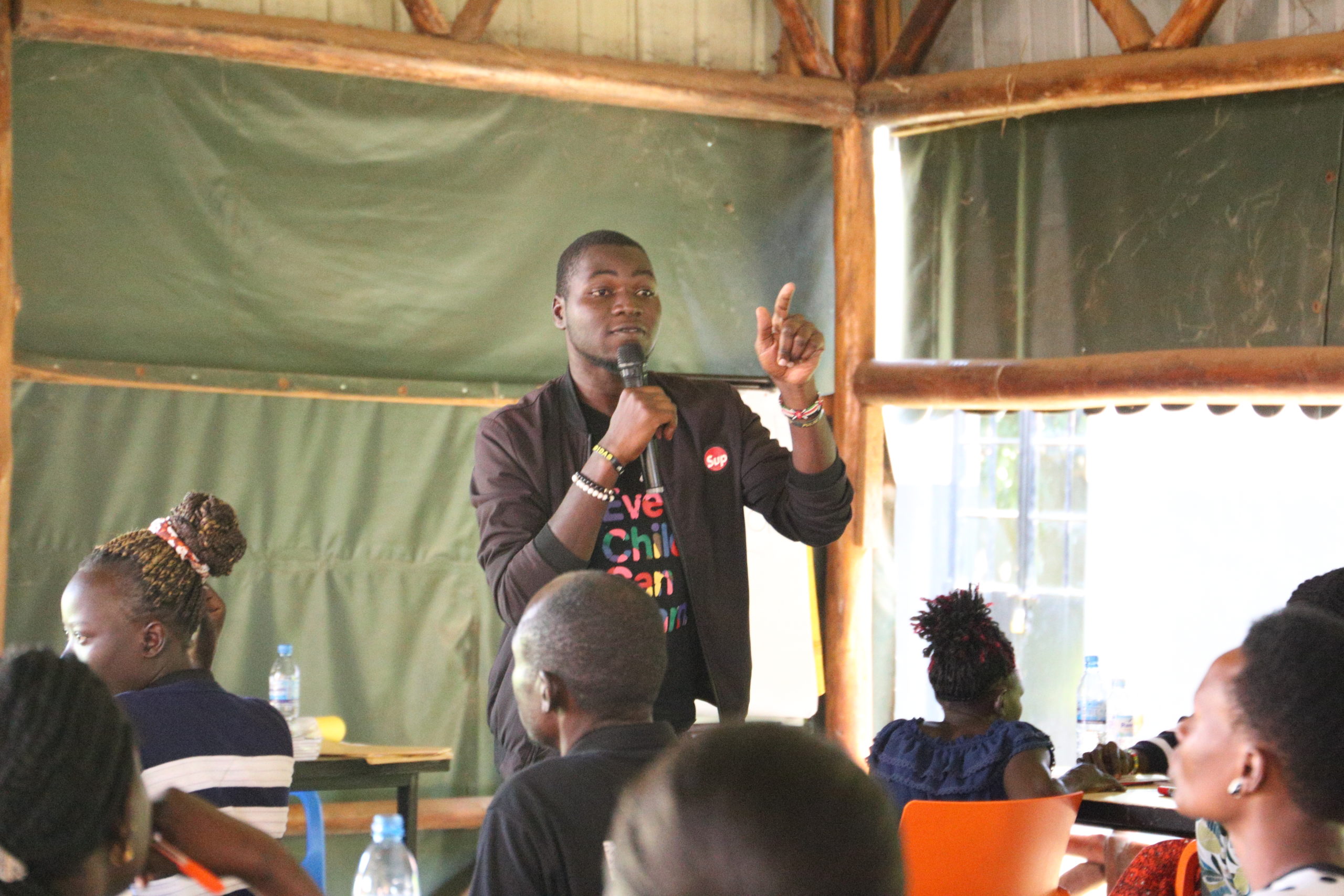
Workshops on inclusive education and on learning difficulties and disabilities are organized in every school. To provide additional guidance using their newly acquired knowledge and skills, teachers receive members of Backup Uganda in their classrooms to observe their lessons and offer feedback throughout the project.
Education and health officials take part in workshops where they are trained in learning difficulties and learning disabilities, as well as in the development of effective referral pathways.
The project also aims to raise students’ awareness of learning difficulties and disabilities and of inclusive education. A voluntary Inclusion Ambassador is selected in each supported class. Together, these ambassadors help form an Inclusion Club in their school. Through a co-creation process, each school benefits from activities related to inclusion.
With the support of :
- Fédération Genevoise de Coopération