


Addressing trauma-related mental health disorders in Northern Uganda

Montant total du projet
624 411 CHF
Durée du projet
3 years
Nombre de bénéficiaires
1'200 persons
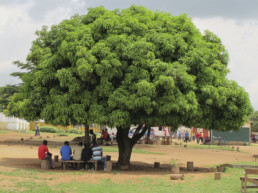
In Northern Uganda, a conflict between the Lord’s Resistance Army (LRA) and the government army lasted from 1986 to 2006. Around 60,000 children were abducted and forced to fight or kill alongside the rebels, and many were also subjected to repeated sexual violence. Up to 50% of formerly abducted people who spent at least one month in captivity still suffer from post-traumatic stress disorder (PTSD). Public services are still insufficient to meet the needs for treatment, support, and reintegration of these populations. This has a serious impact on their families and entire communities, and it greatly threatens the preservation of peace and the development of the region.
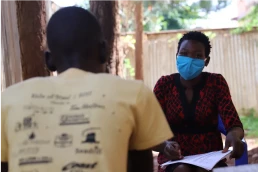
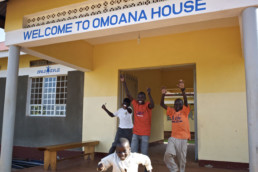
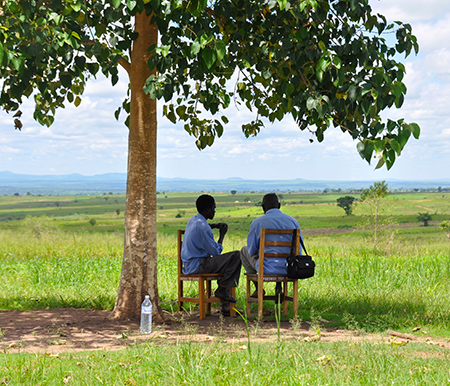
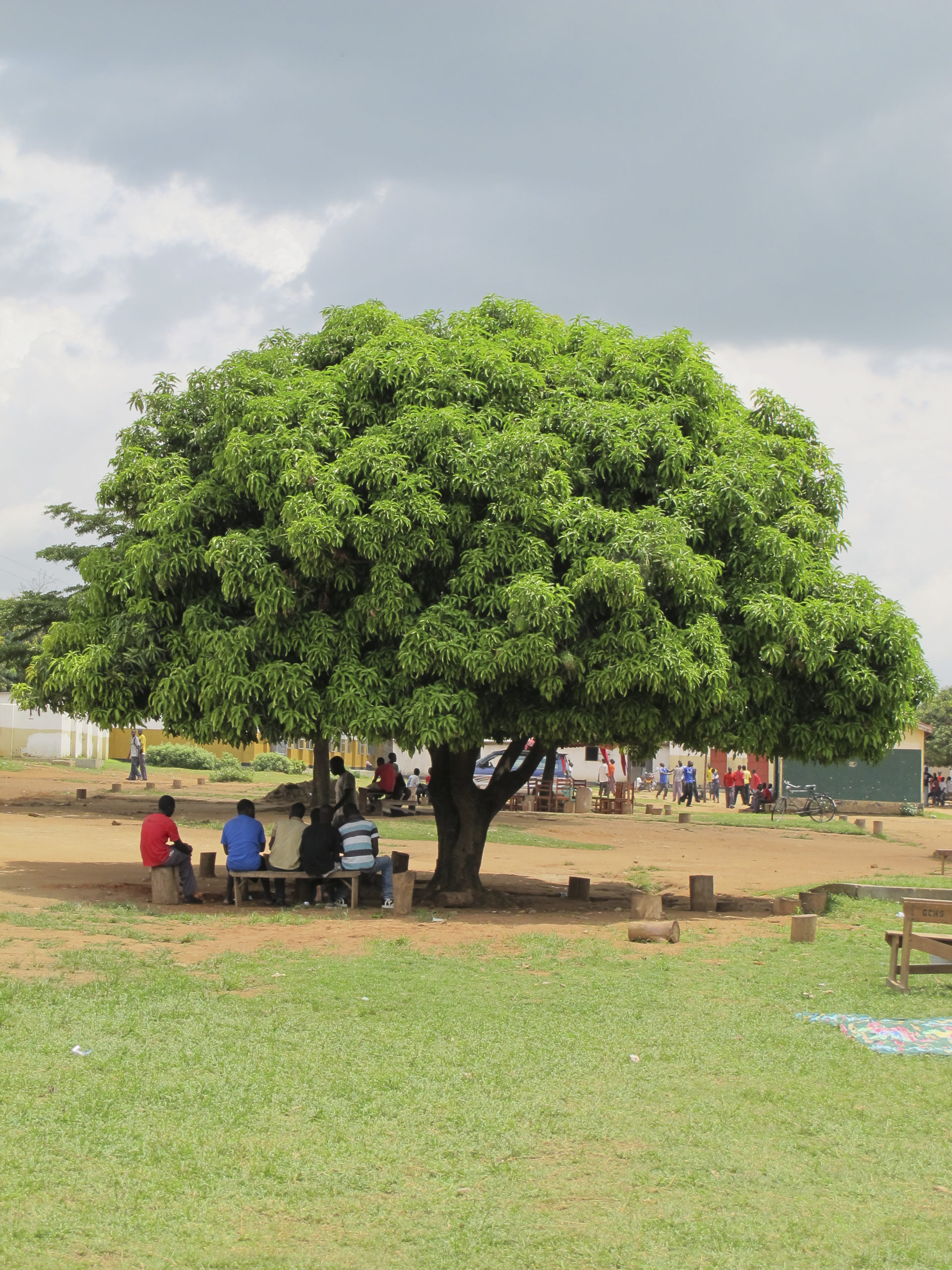
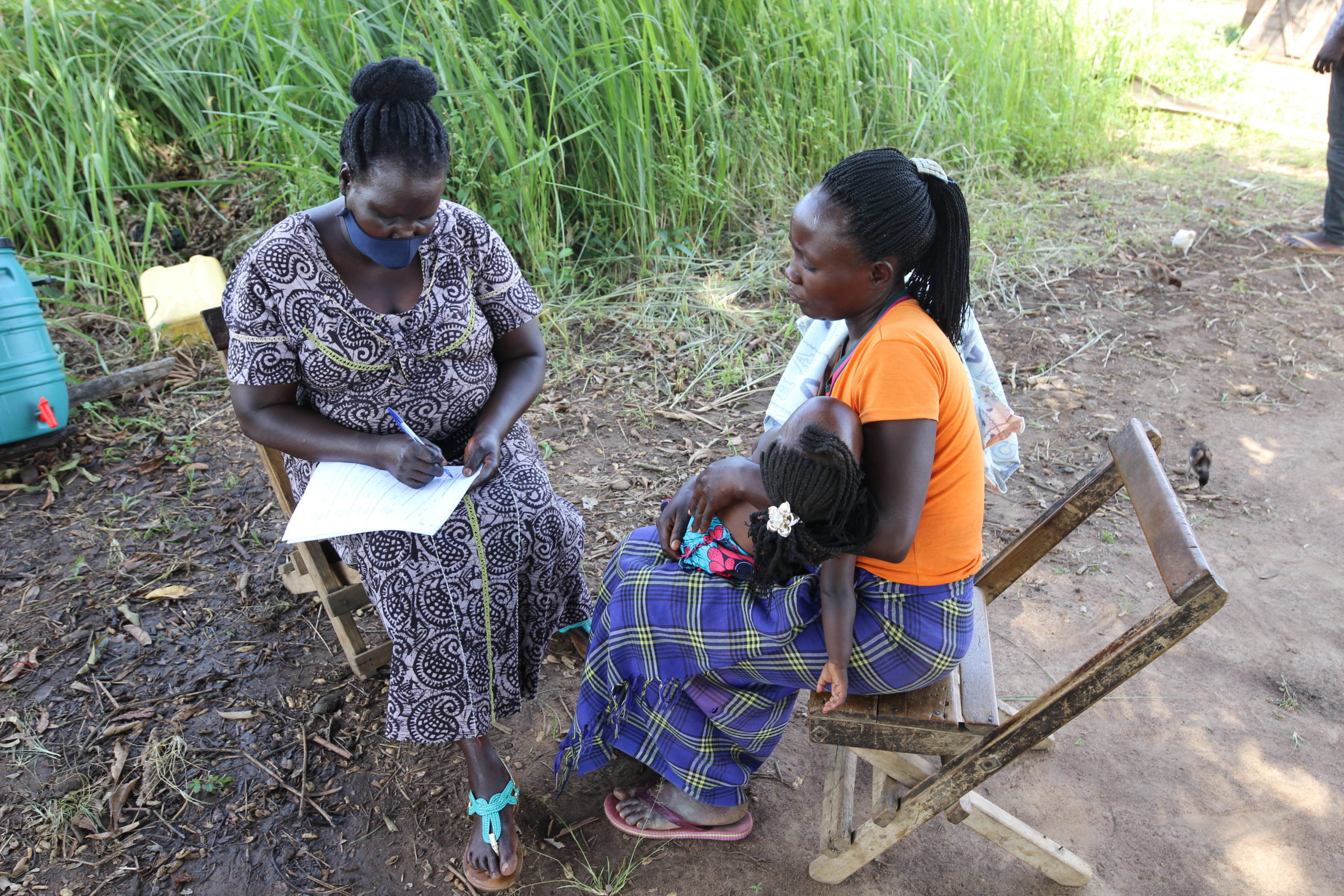
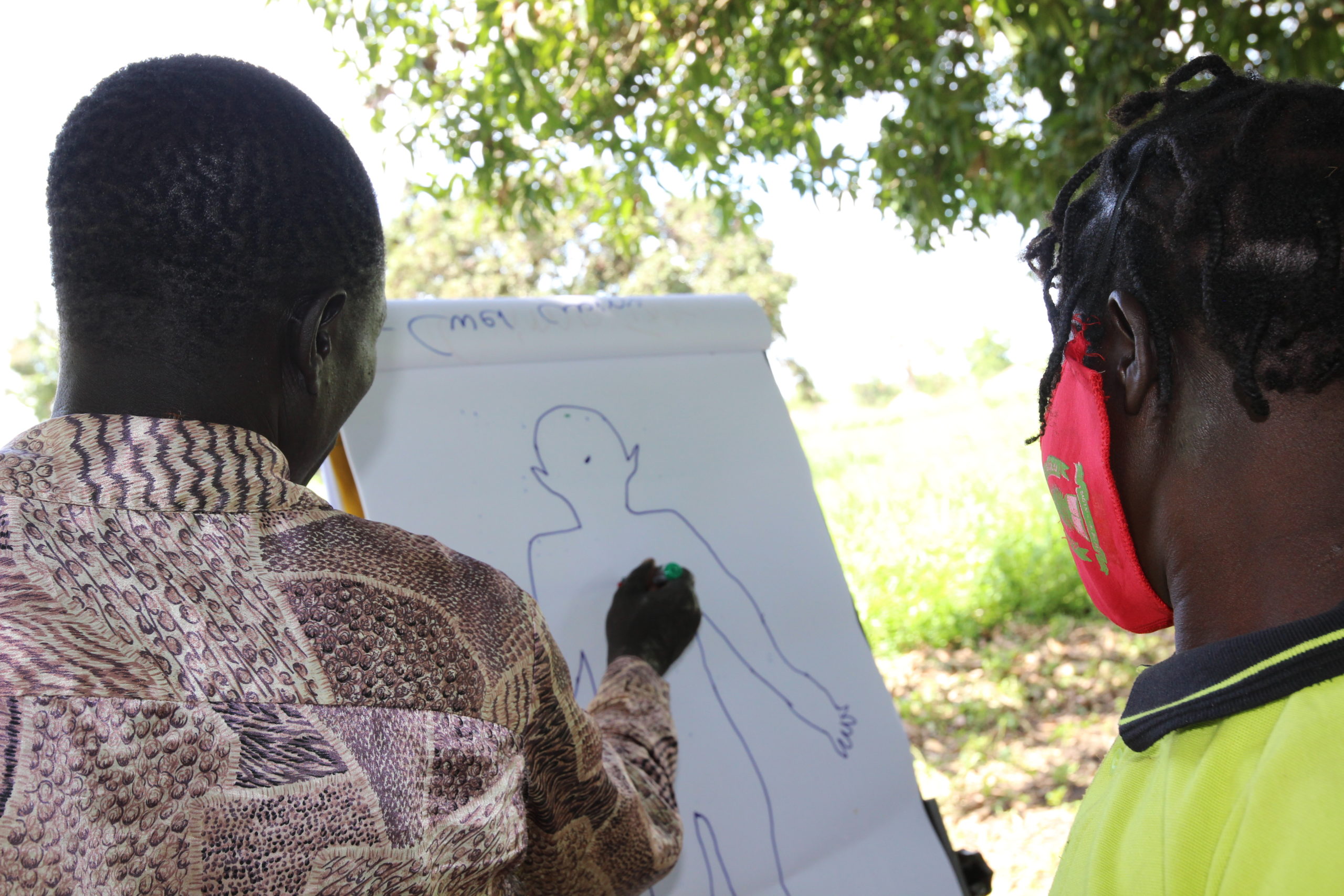
The project implemented by Vivo Uganda aims to strengthen the care and reintegration of people suffering from post-traumatic stress disorder (PTSD) in Northern Uganda. This is achieved through the provision of therapy for members of war-affected communities, as well as through training and advocacy efforts targeting stakeholders involved in the mental health sector.
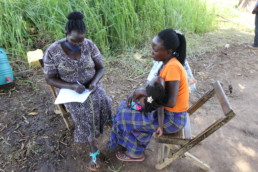
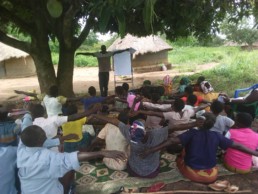
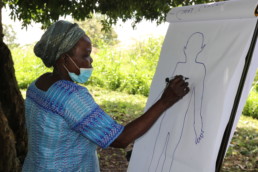
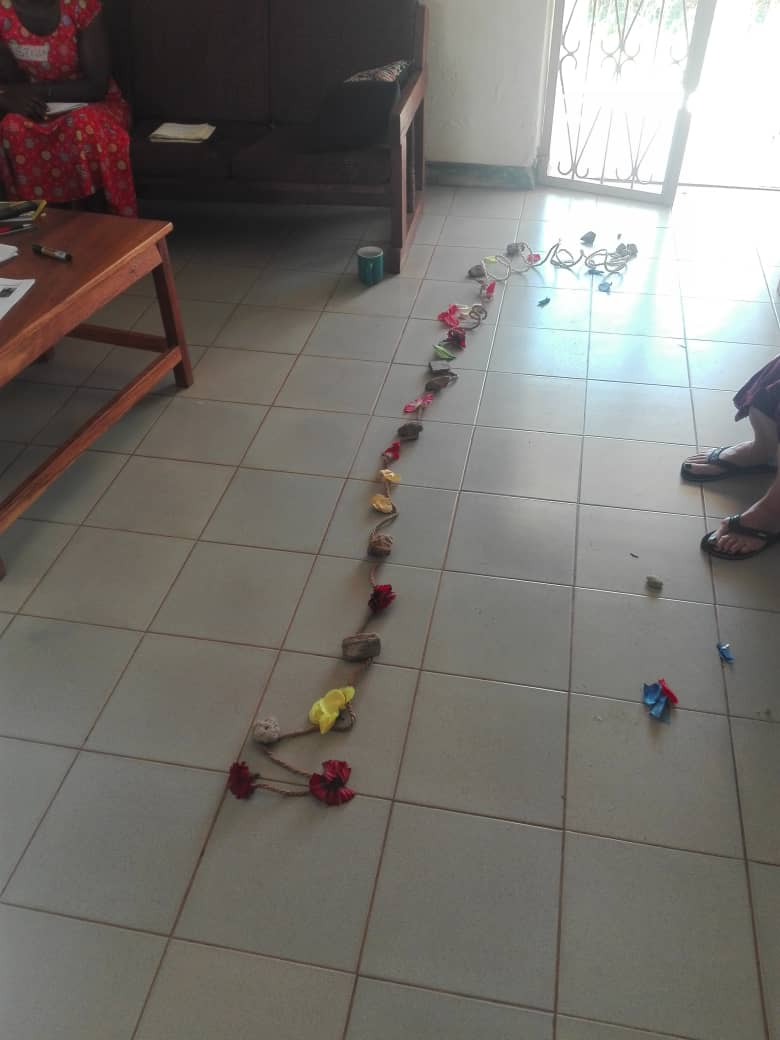
The project aims to provide mental health services to members of conflict-affected communities in order to treat the long-term consequences of traumatic events, in particular through Narrative Exposure Therapy (NET). This treatment, which lasts an average of twelve sessions over six weeks, is highly effective. Eight months later, Vivo has shown that 80% of patients no longer suffer from PTSD. Needless to say, it is also a very sensitive and challenging process for therapists, given the horrific life stories they hear. This makes Vivo’s work—training qualified therapists to handle such situations, and providing them with guidance and support—both delicate and essential.
In order to embed PTSD care more sustainably within society, the following activities are also implemented:
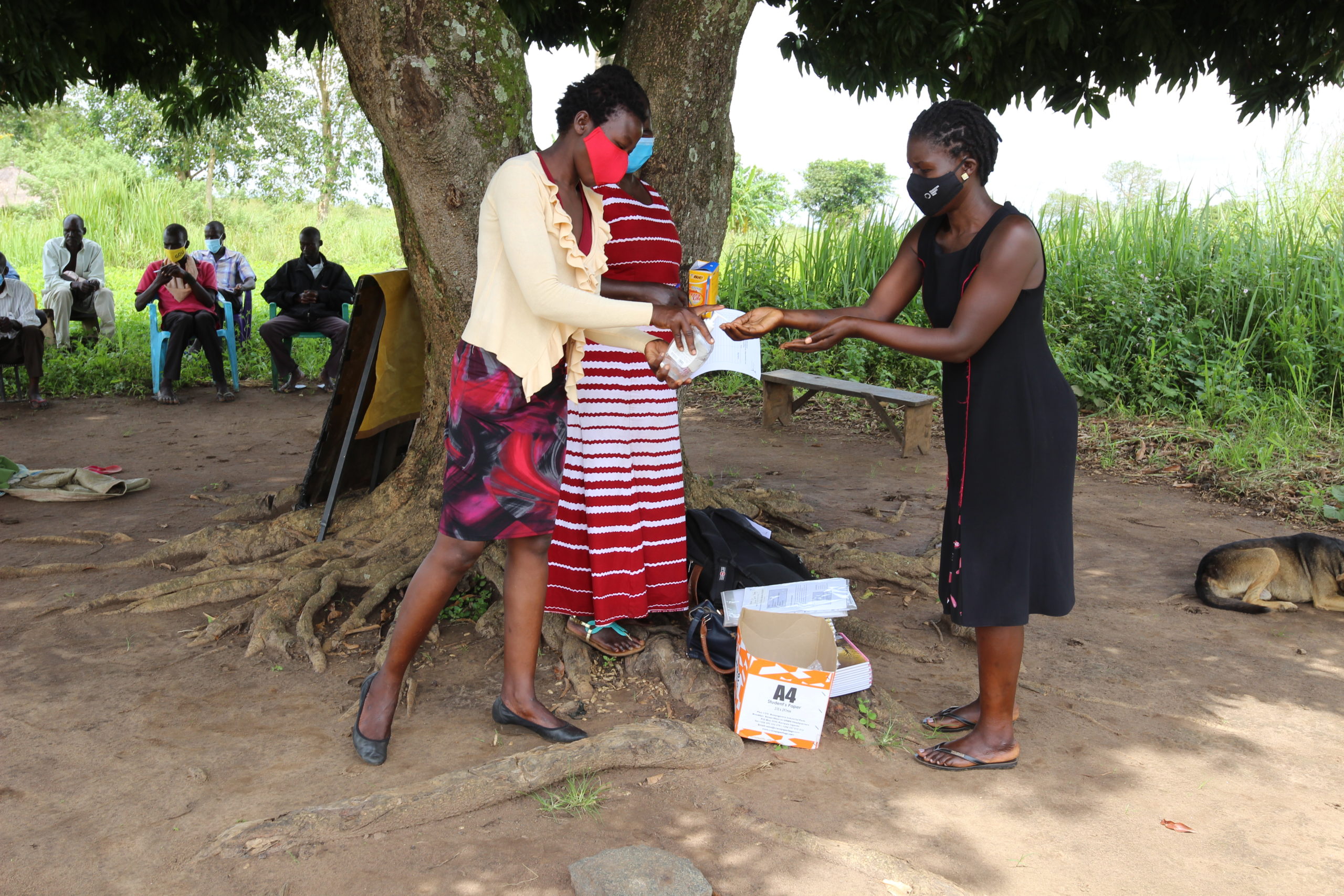
- Raising community awareness about trauma, its consequences, and stigma
- Strengthening capacity within existing structures (NGOs, local public institutions, hospitals, health centers, etc.) through training, workshops, interdisciplinary expert meetings, and networking
- Advocating for greater recognition of mental health among local authorities and educational institutions
To discover the project through a video: click here.
Avec le soutien de :
- Fondation Alfred & Eugénie Baur
- Fédération Genevoise de Coopération
- Fondation Coromandel